Florida is the #1 state in the nation for termite activity — and South Florida is ground zero. Subterranean colonies work silently underground while drywood termites nest inside your walls, attic, and door frames. Tier 1 Pest Solutions uses Termidor liquid barrier treatments, targeted spot applications, and ongoing monitoring to eliminate active colonies and prevent new ones from forming. Licensed, insured, and trusted across South Florida.
Florida has the highest termite activity of any state in the country — and it's not even close. The warm, humid climate that makes South Florida paradise for people makes it a perfect, permanent habitat for termite colonies. Unlike states with hard winters that kill off pest populations, Florida offers termites exactly what they need: year-round warmth, abundant moisture, and millions of wooden structures to feed on. Understanding why the risk never stops is the first step to protecting your home.
Each species behaves differently and requires a different treatment approach. Accurate identification is the foundation of effective treatment.
Subterranean termites are the most common and most destructive termite species in Florida. They live in large underground colonies that can contain hundreds of thousands to millions of workers. These termites build distinctive mud tubes — pencil-sized tunnels of soil, saliva, and feces — to travel from the ground to the wood they're consuming while protecting themselves from open air. They attack from the ground up, entering your home through foundation cracks, expansion joints, and any wood that contacts soil.
Formosan subterranean termites — an invasive species common in South Florida — are particularly aggressive. Their colonies can exceed 2 million workers and consume wood 3–4 times faster than Eastern subterranean termites.
Drywood termites live entirely within the wood they eat and require no soil contact or external moisture source. They nest and feed inside dry, sound wood — often in attic framing, window frames, hardwood floors, wooden furniture, and door frames. Unlike subterranean termites, they produce small, hard, pellet-shaped droppings called frass that they push out of small kick-out holes in the wood surface. Frass piles — resembling sawdust or coffee grounds — are often the first visible sign of drywood activity.
Multiple infestations are common in drywood termites — swarmers can enter through attic vents, gaps in roofing, and cracks in exterior wood, meaning a home can harbor several unrelated colonies simultaneously.
From the first inspection to ongoing monitoring, every step is designed to eliminate active termites, protect against future colonies, and give you verifiable confidence that your home is covered.
Our licensed technician conducts a thorough assessment of your entire property — interior and exterior — to locate active termites, map damage areas, and identify the species involved.
Based on what we find, we build a treatment plan specific to your home — the species present, the extent of activity, and the construction type all factor into the approach we recommend.
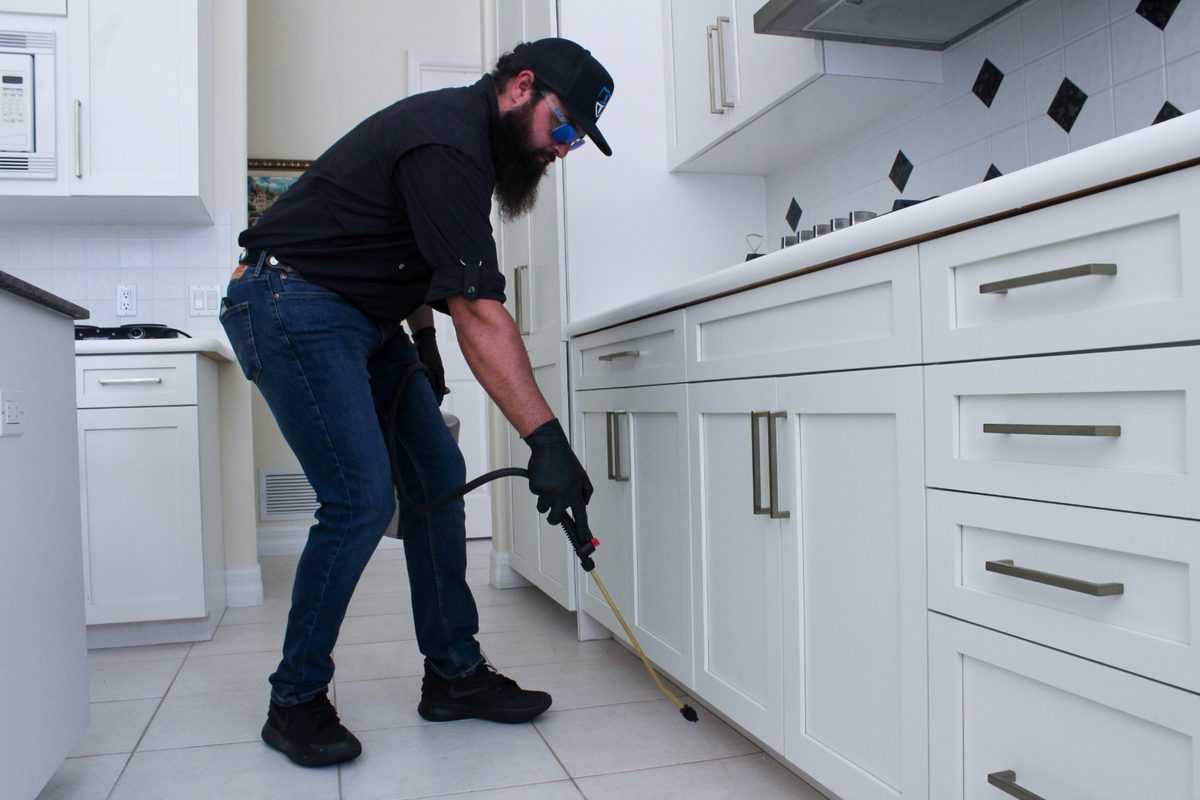
Our licensed technicians apply the prescribed treatment with precision, using professional-grade products and application methods that target termites where they live and travel.
Treatment is only the beginning. Our monitoring program keeps your home protected with scheduled follow-up inspections and warranty coverage — so you always know where things stand.
Termites are silent destroyers — but they do leave behind evidence. If you notice any of these six warning signs, schedule an inspection immediately. The longer a colony goes untreated, the more structural damage accumulates.
Subterranean termites build pencil-sized mud tubes along your foundation, concrete block walls, floor joists, or interior wall surfaces. These tubes are made of soil, saliva, and feces and protect the colony while it travels between the ground and your home's wooden structure. Finding mud tubes — whether active or old — is a definitive sign of subterranean termite activity and requires immediate professional treatment.
Termites eat wood from the inside out, consuming the soft cellulose interior and leaving only a thin shell on the surface. When you tap on an infested wall, baseboard, or door frame with a screwdriver handle, you'll often hear a hollow, papery sound instead of a solid thud. This hollowness indicates the wood has been significantly compromised from within. In severe cases, pressing firmly on an infested surface may cause it to buckle or collapse.
When termite reproductives (alates) swarm, they fly briefly, pair off, and then shed their wings to start new colonies. You'll find tiny, equal-length wings piled up on window sills, doorframes, around light fixtures, or in spider webs near entry points. This is especially common during and after Florida's rainy season swarm events. Wing piles are a direct indicator that a mature colony is nearby and actively expanding — meaning a new colony may already be established in or around your home.
Drywood termites push their fecal pellets — called frass — out of small kick-out holes in the wood they're infesting. Frass looks like very fine, wood-colored powder or small oval pellets and tends to collect in small piles beneath the infested wood surface. It's easy to mistake for sawdust. You might find it on windowsills, floors beneath wooden furniture, or below door frames. Unlike sawdust, which is irregular, termite frass has a consistent granular texture and color that matches the wood being consumed.
Termites produce moisture as they digest wood and build their galleries. This trapped moisture can cause paint to bubble, blister, or peel on interior and exterior walls in ways that look very similar to water damage — but without any obvious water source. If you see peeling paint in areas where pipes don't run or where leaks aren't expected, it's worth investigating for termite activity. Similarly, walls that feel spongy or soft to the touch can indicate moisture damage caused by an active termite colony within.
As termites consume floor joists, subfloor boards, and structural framing, the structural integrity of those members decreases. This can cause floors to develop a subtle bounce, soft spots, or a visible sag in affected areas. Similarly, interior doors and windows may begin to stick, warp, or fail to close properly as the framing surrounding them loses strength and shifts. These symptoms often get attributed to settling or humidity changes — but in Florida, unexplained sticking or sagging should always prompt a termite inspection.
Don't wait if you're seeing any of these signs. Every week without treatment gives a termite colony more time to expand and cause additional structural damage. Tier 1 Pest Solutions offers free termite inspections across South Florida — call (813) 548-6341 or submit a request online and we'll get a technician to your property promptly.
Not every pest control company has the experience, licensing, or product access to handle Florida's most aggressive termite species effectively. Here's what sets Tier 1 Pest Solutions apart when it comes to termite control.
Termite treatments in Florida require a licensed pest control operator. Tier 1 Pest Solutions holds active Florida Department of Agriculture and Consumer Services licenses (JB321482 | JE132152), meaning you're protected by state-regulated professionals who have met the training and certification requirements to legally treat termite infestations in residential structures.
Our technicians bring over 35 years of combined hands-on experience treating termite infestations across South Florida. We've treated everything from minor drywood spot treatments to large-scale Formosan subterranean infestations in multi-story homes. That field knowledge means faster, more accurate identification, more effective treatment placement, and fewer callbacks — because we get it right the first time.
Our reputation speaks for itself. Tier 1 Pest Solutions maintains a 4.9-star rating on Google across dozens of verified customer reviews. Our termite customers consistently highlight our thorough inspections, clear communication, professional treatment applications, and the confidence that comes from knowing their home has been properly protected — not just treated and forgotten.
We use Termidor SC — fipronil — for subterranean termite treatments. Termidor is the most researched, most trusted liquid termiticide in the pest control industry, used by more professional pest operators than any competing product. It works through the "Transfer Effect": termites that contact treated soil carry it back to the colony, eliminating the entire colony — not just the termites you can see. Independent research shows 100% colony control in tested populations within 90 days.
We stand behind our work. Our termite treatments include follow-up re-inspection visits within the warranty period at no additional cost. If you see any sign of termite activity — new mud tubes, fresh frass, wing piles — call us and we'll come back out to assess and re-treat as needed. You shouldn't have to pay again for a problem that should have been resolved by the original treatment.
We know termite inspections can be stressful — especially when a homeowner suspects significant damage. Our technicians are trained to be honest and thorough without any high-pressure upselling tactics. We walk you through exactly what we found, explain what it means for your home, and give you a complete written quote before any work begins. You decide what's right for you — we're here to inform and protect, not to alarm.
Answers to the questions South Florida homeowners ask most about termite inspection, treatment, and prevention.
Fill out the form and we'll reach out to schedule your free termite inspection. Our licensed technicians serve all of South Florida and typically respond within one business day. If you're seeing active signs of termites — mud tubes, swarmers, or frass — call us directly for same-week scheduling.
We serve homeowners and businesses throughout South Florida's most termite-active regions. Not sure if we cover your area? Give us a call — we're always expanding.
...and all surrounding South Florida communities. Not sure if we serve your area? Call (813) 548-6341 and we'll let you know right away.